Digging In: Community Garden Nourishes the Neighborhood
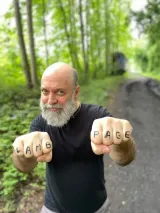
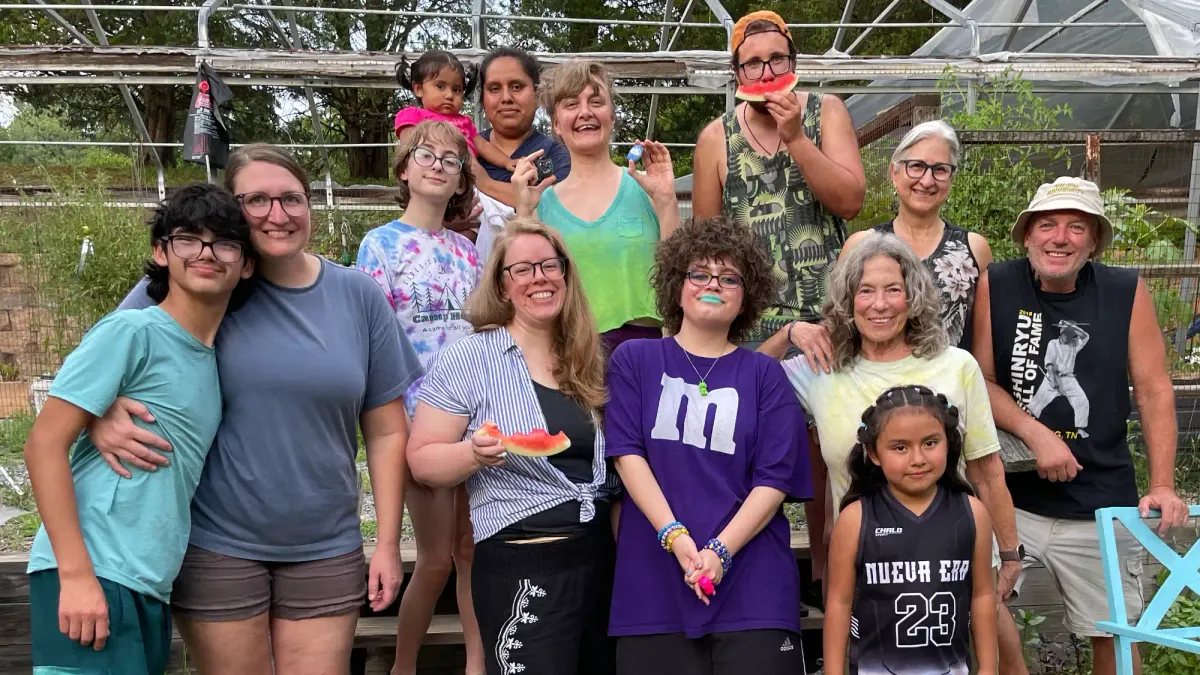
When Pamela Barnett Halladay moved to Lambertville from Philadelphia, she found herself missing the community garden from her old neighborhood. One day she saw her neighbors, Kim Aspden and Aldo Maggiari, composting in their back yard. Conversations followed, and they discovered they all had a shared interest in community gardening.
Pamela’s partner, Nick Halladay, is the Program Coordinator at Fisherman’s Mark, which is a Lambertville-based non-profit that provides food support to local residents. There was an abandoned greenhouse next to the Fisherman’s Mark headquarters, left behind from when the building was a farmer’s market. With a location in place and a mission in mind, the gardeners began making their idea a reality.
Planting Seeds
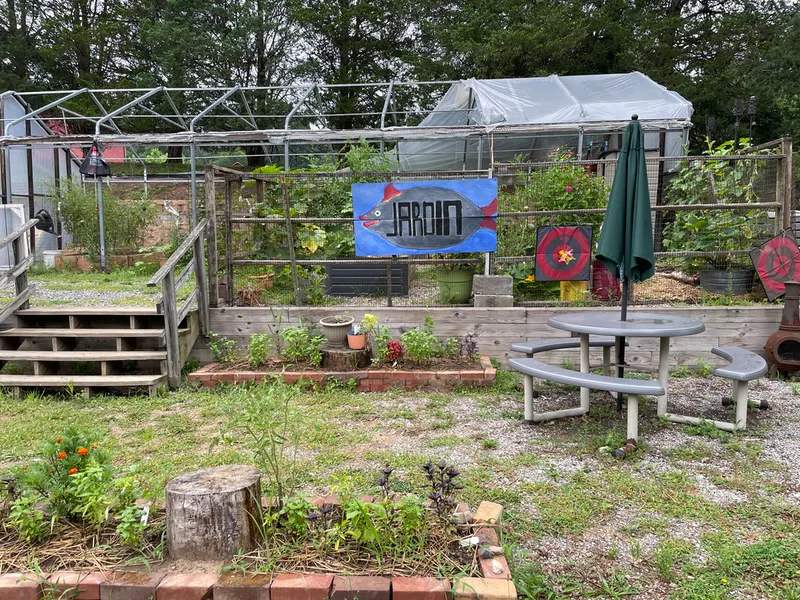
Aldo cleared trash (and a few dead wild animals) from the old greenhouse, then he and Kim built wooden garden plots and repurposed abandoned materials to create decorative flower beds. Aldo is fluent in English, Italian, and Spanish, so he named the growing place “Jardín,” and painted a sign to make it official.
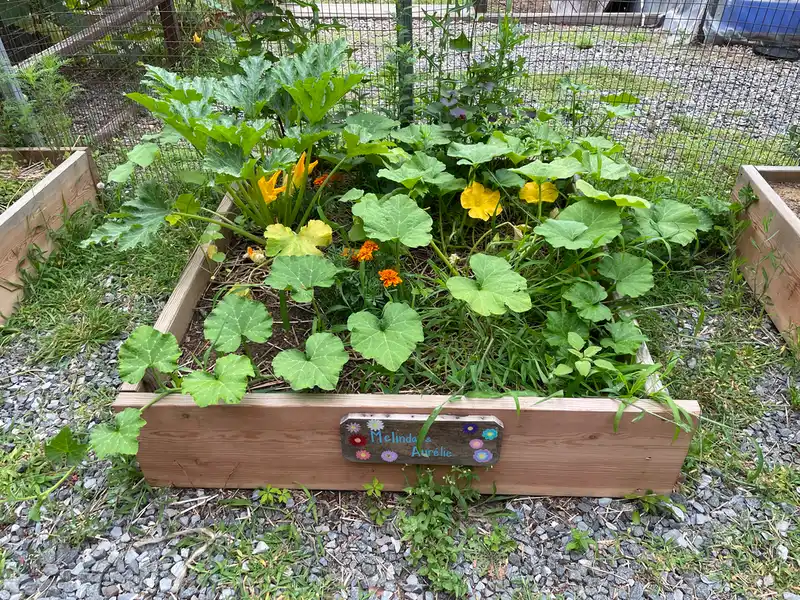
Kim crafted whimsical name plaques to adorn the walls of each members’ plot. You can feel the care that the volunteers put into creating a welcoming atmosphere.
As the community garden developed, several items were serendipitously dropped off in the middle of the night by unidentified donors.
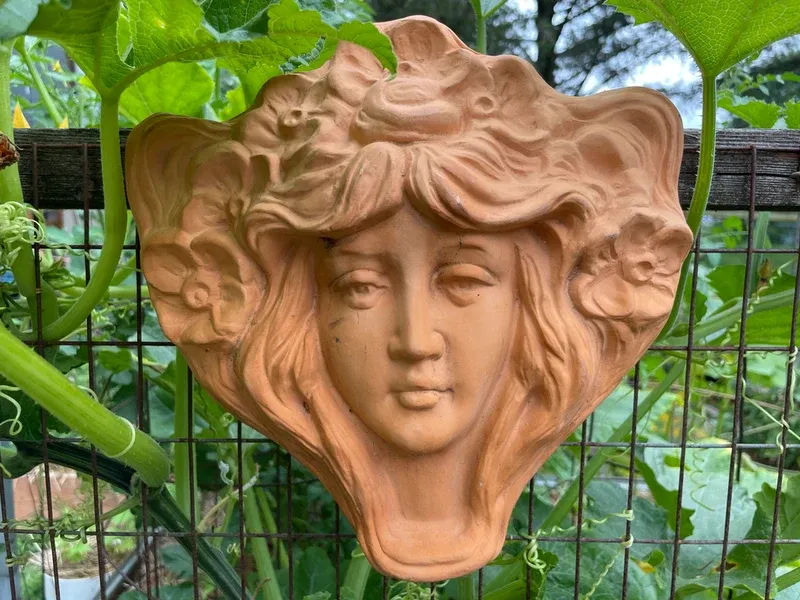
garden decorations
“Those faces just showed up one day,” Aldo said about the terracotta sculptures that hang on the the garden’s wire-and-wood-framed perimeter. The recycled fence, which is made from repurposed materials that were found on site, keeps the deer out, but it is not permanently fixed in place. Nothing in the garden is permanent, because its future in that location is uncertain.
Currently in its second season, Jardín features ten 4x4' plots, six of which are farmed by Fisherman’s Mark community members. So far, the entire budget for the project has come in under $1,000—minus volunteer sweat equity.
Jardín has received institutional support from Northeast Organic Farming Association of New Jersey, and has received donations from local farms such as Hungry Work Organic Farm, Mad Lavendar Farm, and Rolling Harvest Farm. Niece Lumber has offered discounted wood, and local residents regularly drop off plants, which volunteers are happy to revive and recycle whenever they can.
Growing Volunteers
The area around the garden has become adorned with benches, tables, chairs, and a sandbox where kids can play while adults tend to their plot. If the kids are interested, they can get involved too. Children have helped to refinish donated wooden benches, plant shelves, and work tables. Volunteers put together a compost and a small rainwater container. Wildflowers and mint grow in abundance nearby. The serene environment naturally attracts rabbits, ducks, and other birds.
“Gardening is great for mental health,” Aldo said, “One person comes here before they go to work so they can relax and start their day off on a positive note.”
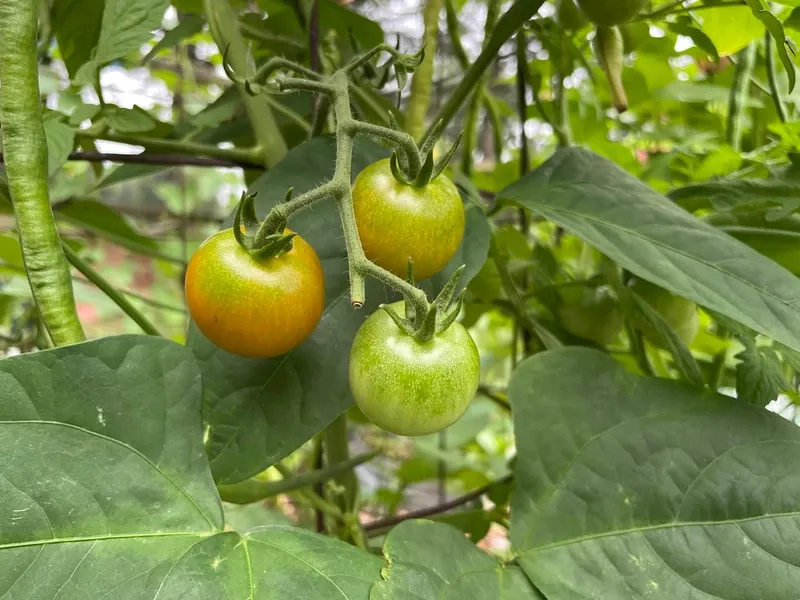
Fresh food autonomy helps to feed individuals and families, so plots are offered first to people who are low income, experiencing food scarcity, or who lost a farm or downsized. Many participants feel a sense of ownership, and they happily share responsibility in caring for the space.
Since everyone gardens at different times of the day, Jardín began to host social events so members could meet each other to share knowledge, laughs, and some vegetables.
Jardín’s only rules: no chemicals, and don’t abandon your plot after you sign up.
Room to Bloom
Fisherman’s Mark is working to acquire the Main Street property where it now operates. If the organization secures a future there, Jardín hopes to put down roots and grow with it.
“We want to offer more plots next year,” Kim said.
“We’re shooting for between 20 to 30 total.”
Kim described her vision for a future with raised plots, permanent fences, and accessible pathways that can accommodate wheelchairs and strollers.
Aldo talked about plans for an educational program where new gardeners could partner with experienced ones so they can learn how to grow their own food.
Nick, Fisherman’s Mark Program Coordinator, pointed to the industrial kitchen on site and talked about offering food lessons for young people so they can learn how to make their own meals.
“It’s all about community,” he said, outlining Jardín’s role at the non-profit. “Fisherman’s Mark is like a wheel with many spokes. The community garden is one spoke that helps make the wheel roll. Good things are happening in Lambertville.”